Owl Behavior and Communication: Unraveling the Mysteries
Category : | Sub Category : Posted on 2024-11-05 21:25:23
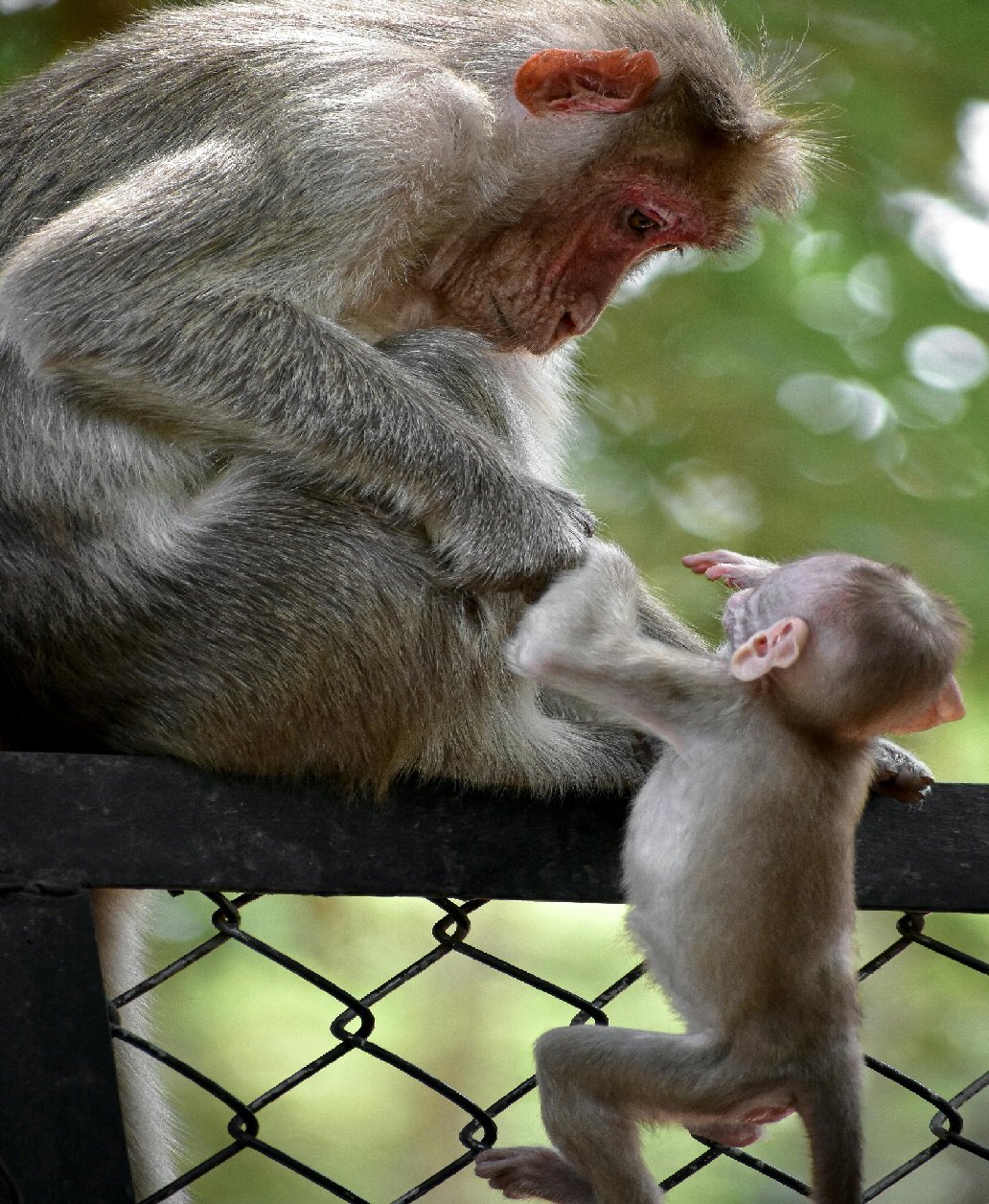
Introduction: In the animal kingdom, communication plays a crucial role in helping creatures navigate their social interactions and survive in their environments. When it comes to owls, these magnificent birds exhibit fascinating behavior and possess unique communication techniques. While we often think of cows as having a more epitomized form of communication, owls have their own intricate ways of expressing themselves. In this blog post, we will delve into the world of owl behavior and communication, shedding light on the mysteries that surround these captivating creatures. 1. Vocalizations: Owls are known for their distinct and haunting hoots, but their vocal repertoire extends far beyond this iconic sound. Different owl species have specific calls that serve various purposes. For example, the great horned owl has a deep, resonant hooting sound used for territory defense, while the barn owl emits eerie screeches to signal aggression or annoyance. Additionally, owls use sounds like clapping their wings or bill snaps to convey their emotions or establish dominance within their communities. 2. Body language: Although owls are renowned for their camouflaged feathers and silent flights, their body language also plays a significant role in communication. Ear tufts, which are not actual ears, can be raised or lowered as a means of expressing different moods. When an owl feels threatened or alarmed, it might spread its wings and elevate its feathers to appear more formidable. Conversely, a relaxed owl might adopt a more compact posture, tucking in its feathers and appearing less conspicuous. 3. Visual signals: While owls are primarily nocturnal creatures and rely on their exceptional hearing, visual signals are not entirely absent from their communication repertoire. Owls possess specialized facial discs that aid in collecting and directing sound towards their ears. These distinctive discs can also be used to convey emotions through subtle changes in shape or position. Furthermore, owls use their eyes to communicate with each other. Widened pupils could indicate surprise or fear, while narrowed pupils can signify aggression or territoriality. 4. Courtship rituals: During the breeding season, owls engage in elaborate courtship displays to attract mates. These rituals often involve a combination of vocalizations, head movements, and wing displays. Some species engage in impressive sky-dances, where they soar high into the air, twirling and spiraling in a mesmerizing performance to impress potential partners. Courtship behavior is not only a means of communication but also serves to strengthen the bond between owl couples and ensure successful reproduction. Conclusion: Owls may not communicate in the same way as cows or other social animals, but their intricate behavior and communication methods are equally awe-inspiring. From their diverse vocalizations to their subtle visual signals and elaborate courtship rituals, owls have developed unique ways to communicate and interact with their surroundings. By unraveling the mysteries of owl behavior and communication, we gain a deeper appreciation for these enigmatic creatures that have captivated our imagination throughout history. Find expert opinions in https://www.callnat.com Don't miss more information at https://www.owlo.org
https://comportamiento.org
Leave a Comment:
SEARCH
Recent News
- Zurich, Switzerland is known for its cutting-edge technology and research in various fields, including the study of the subconscious mind and robot learning. In recent years, research has delved into the intersection of these two areas, exploring how the principles of the subconscious mind can be applied to enhance robot learning and intelligence.
- In the cutting-edge city of Zurich, Switzerland, the development of robotics is taking a fascinating turn as researchers delve into the realm of subconscious influence on robot emotions. It may sound like something out of a sci-fi movie, but studies have shown that the way humans interact with robots can deeply impact their emotional responses.
- The intersection of YouTube content creation, translation, the subconscious mind, and robot learning may seem like an unlikely combination at first glance. However, upon closer examination, we can uncover interesting connections and potential opportunities for content creators and learners alike.
- The Subconscious Influence of Content Creation and Translation on Robot Emotions
- Exploring the Connection Between the Subconscious Mind and Robot Learning on YouTube Channels
- YouTube Channel Subconscious Influence on Robot Emotions
- Warsaw, Poland is a city rich in history, culture, and innovation. As the capital of Poland, Warsaw has a vibrant energy that is palpable as you walk down its streets lined with historic buildings and modern architecture. One interesting aspect of Warsaw is its growing focus on technology and artificial intelligence, particularly in the realm of robot learning.
- Warsaw, the capital city of Poland, is a bustling metropolis filled with history, culture, and innovation. One intriguing aspect of Warsaw is its exploration of the subconscious influence on robot emotions. In recent years, researchers and scientists in the field of robotics have been delving into how human emotions and subconscious cues can impact the way we interact with robots.
READ MORE
10 months ago Category :

Zurich, Switzerland is known for its cutting-edge technology and research in various fields, including the study of the subconscious mind and robot learning. In recent years, research has delved into the intersection of these two areas, exploring how the principles of the subconscious mind can be applied to enhance robot learning and intelligence.
Read More →10 months ago Category :

In the cutting-edge city of Zurich, Switzerland, the development of robotics is taking a fascinating turn as researchers delve into the realm of subconscious influence on robot emotions. It may sound like something out of a sci-fi movie, but studies have shown that the way humans interact with robots can deeply impact their emotional responses.
Read More →10 months ago Category :

The intersection of YouTube content creation, translation, the subconscious mind, and robot learning may seem like an unlikely combination at first glance. However, upon closer examination, we can uncover interesting connections and potential opportunities for content creators and learners alike.
Read More →10 months ago Category :
