How Color and Marketing Shape Owl Behavior and Communication
Category : | Sub Category : Posted on 2024-11-05 21:25:23
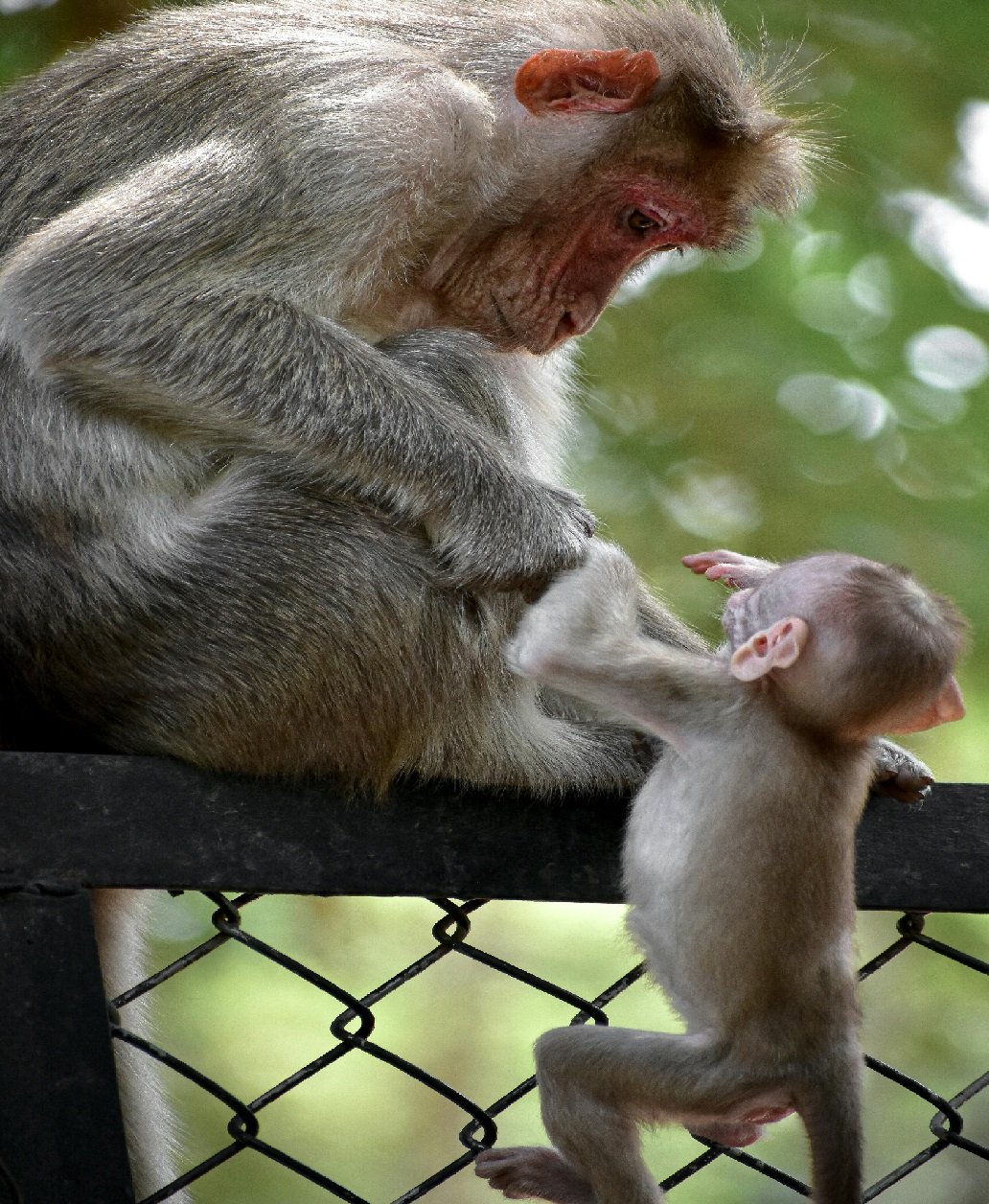
When it comes to marketing, businesses rely heavily on the psychology of colors to influence consumer behavior and decision-making. However, have you ever wondered if colors could have a similar impact on creatures of the animal kingdom? Specifically, owls - one of nature's most fascinating and mysterious creatures. In this blog post, we delve into the intriguing relationship between color, marketing, and owl behavior and communication. Owls, with their keen vision and hunting prowess, have specific adaptations that allow them to thrive in the darkness of the night. Their large, forward-facing eyes are extremely sensitive to light, allowing them to see even the slightest movements and variations in color. This heightened visual acuity plays a vital role in their hunting strategies and communication with other owls. In terms of color, owls are known for their predominantly brown and earth-toned feathers, which provide excellent camouflage in their natural habitats. These natural colors help them blend seamlessly with tree bark, branches, and leaf litter, making them almost invisible to potential prey and predators alike. Now, let's consider the correlation between color and marketing in influencing consumer behavior. It is widely accepted that certain colors evoke specific emotions and psychological responses. For example, the color red is often associated with excitement and urgency, while blue is known for its calming and trustworthy qualities. Marketers leverage these color associations to create a desired response or perception in their target audience. Similarly, researchers have discovered that certain colors can also impact animal behavior and communication. Studies have shown that owls, like humans, respond differently to various colors. For instance, vibrant colors such as red and orange may provoke aggression or territorial behavior in some owl species. This finding suggests that color plays a role in intra-species communication among owls, signaling dominance or territorial boundaries. Furthermore, color variations within an owl species, such as the varying patterns and hues found in their feathers, can convey important information during courtship and mating rituals. Just like a well-designed marketing campaign that grabs attention and sparks interest, the unique coloration of an owl's plumage can serve as a visual cue to attract potential mates. It's important to note that while color can influence owl behavior and communication, other factors such as habitat, vocalizations, and body postures also play significant roles in their interdisciplinary communication system. In conclusion, the fascinating relationship between color, marketing, and owl behavior and communication highlights the intricate connections that exist between the human and animal worlds. While color marketing may be a human creation, it is intriguing to consider how these concepts transcend species boundaries. Understanding the impact of color on owl behavior and communication not only sheds light on the secret lives of these majestic creatures but also expands our knowledge of the interconnectedness of the natural world. Dropy by for a visit at https://www.callnat.com For comprehensive coverage, check out https://www.droope.org Visit the following website https://www.owlo.org
https://comportamiento.org
Leave a Comment:
SEARCH
Recent News
- Zurich, Switzerland is known for its cutting-edge technology and research in various fields, including the study of the subconscious mind and robot learning. In recent years, research has delved into the intersection of these two areas, exploring how the principles of the subconscious mind can be applied to enhance robot learning and intelligence.
- In the cutting-edge city of Zurich, Switzerland, the development of robotics is taking a fascinating turn as researchers delve into the realm of subconscious influence on robot emotions. It may sound like something out of a sci-fi movie, but studies have shown that the way humans interact with robots can deeply impact their emotional responses.
- The intersection of YouTube content creation, translation, the subconscious mind, and robot learning may seem like an unlikely combination at first glance. However, upon closer examination, we can uncover interesting connections and potential opportunities for content creators and learners alike.
- The Subconscious Influence of Content Creation and Translation on Robot Emotions
- Exploring the Connection Between the Subconscious Mind and Robot Learning on YouTube Channels
- YouTube Channel Subconscious Influence on Robot Emotions
- Warsaw, Poland is a city rich in history, culture, and innovation. As the capital of Poland, Warsaw has a vibrant energy that is palpable as you walk down its streets lined with historic buildings and modern architecture. One interesting aspect of Warsaw is its growing focus on technology and artificial intelligence, particularly in the realm of robot learning.
- Warsaw, the capital city of Poland, is a bustling metropolis filled with history, culture, and innovation. One intriguing aspect of Warsaw is its exploration of the subconscious influence on robot emotions. In recent years, researchers and scientists in the field of robotics have been delving into how human emotions and subconscious cues can impact the way we interact with robots.
READ MORE
10 months ago Category :

Zurich, Switzerland is known for its cutting-edge technology and research in various fields, including the study of the subconscious mind and robot learning. In recent years, research has delved into the intersection of these two areas, exploring how the principles of the subconscious mind can be applied to enhance robot learning and intelligence.
Read More →10 months ago Category :

In the cutting-edge city of Zurich, Switzerland, the development of robotics is taking a fascinating turn as researchers delve into the realm of subconscious influence on robot emotions. It may sound like something out of a sci-fi movie, but studies have shown that the way humans interact with robots can deeply impact their emotional responses.
Read More →10 months ago Category :

The intersection of YouTube content creation, translation, the subconscious mind, and robot learning may seem like an unlikely combination at first glance. However, upon closer examination, we can uncover interesting connections and potential opportunities for content creators and learners alike.
Read More →10 months ago Category :
